Français
 Deutsch
 Italiano
 Português
 Español
 简体中文
简体中文

Global Event
Connect with the worldwide yoga community.

Feb 7th, 2026
11am to 7pm Eastern Time

Interactive Sessions
Engage with experts in breakout rooms.

Connect with the worldwide yoga community.
11am to 7pm Eastern Time
Engage with experts in breakout rooms.

Join the Symposium on Kundalini Yoga.
A global online event where groundbreaking insights meet practical tools for healing, resilience, and well-being.
This full-day live event brings together leading researchers, experienced practitioners, and therapists to share their expertise on how Kundalini Yoga can be applied for therapeutic and transformative purposes.
11:00 AM
Introduction
Speaker: Dr. Sat Bir Singh
Introduction
11:05 AM
Lecture – Applied
Speaker: Dharma Atma Singh
Yoga for Youth in Maryland Schools
11:30 AM
Lecture – Research
Speaker: Sonia Remondes Costa / Ana Torres
.
Effects of an online Kundalini Yoga program on the mental health of university students
11:55 AM
Breakout Session
Breakout 1:
Raj Navjot Singh & Shanti Shanti Kaur >
Trauma Brain Injury
Breakout 2:
Raghurai Singh >
Silver Age: Kundalini Chair Yoga
Breakout 3:
Gurujagat Kaur Ronen >
Yoga Doula – Conscious Care for the Journey into Motherhood
12:55 PM
10 min – Break
.
.
1:05 PM
Lecture – Research
Speaker: Andrés Daniel Dueñas Granados
Effect of meditation on self-esteem, emotional self-efficacy and emotions
1:30 PM
Lecture – Applied
Speaker: Mukta Kaur
.
Superhealth: Yogic Science for Addictive Behavior & Mental Health
1:55 PM
Breakout Session
Breakout 1:
Shanti Shanti Kaur & Jagtaran Kaur >
Conflict Zones
Breakout 2:
Mukta Kaur >
Teen Screen Behavior
Breakout 3:
Dr. Alan Weiss >
Kundalini Yoga and Subtle Energy
2:55 PM
60 min – Lunch
.
.
3:55 PM
Lecture – Research
Speaker: Dr Dharma Singh
How Kirtan Kriya Can Save Your Life from the Ravages of Air Pollution and Climate Stress
4:20 PM
Lecture – Research
Speaker: Sahib Singh
.
Interoception
4:45 PM
Lecture – Applied
Speaker: Shanti Shanti Kaur
Guru Ram Das Center
5:10 PM
10 min – Break
.
.
5:20 PM
Lecture – Applied
Speaker: Keval Kaur
.
Y.O.G.A for Youth—Empowering the Next Generation
5:45 PM
Lecture – Research
Speaker: Helen Lavretsky
Mind-body Therapies for Resilience and Brain Health in Aging
6:10 PM
Breakout
Breakout 1:
Keval Kaur >
Yoga for Youth
Breakout 2:
Sahib Singh & Siri Bhagvati Kaur >
Interoception
Breakout 3:
Shanti Shanti Kaur & Julie Staples >
Therapy vs Research
7:10 PM
Closing
.
.
This symposium is a unique opportunity to:
〈 Learn from the Best 〉
Presentations by the world’s top experts in Kundalini Yoga research and application.
〈 Explore Evidence-Based Practices 〉
Dive into research-backed methods for integrating Kundalini Yoga into therapeutic and everyday practices.
〈 Expand Your Skill Set 〉
Gain practical tools to apply Kundalini Yoga techniques for diverse populations.
〈 Be Part of a Global Community 〉
Connect with like-minded practitioners, therapists, and researchers.
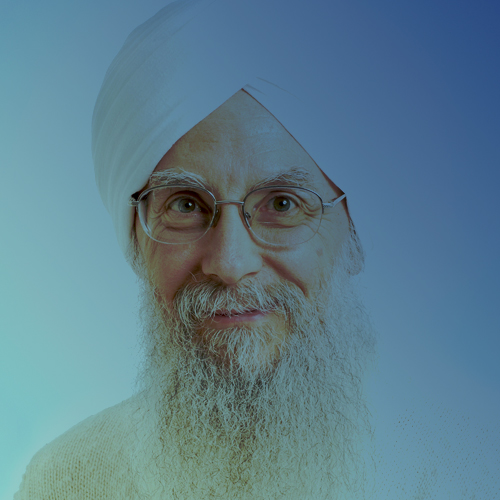
Sat Bir Singh Khalsa, Ph.D., is a Corresponding Member of the Faculty of Medicine at Harvard Medical School, retiring as Associate Professor of Medicine. He is also Director of Research for the Kundalini Research Institute, Research Associate at the Benson Henry Institute for Mind Body Medicine, and Research Affiliate at the Osher Center for Integrative Medicine. He has conducted research on yoga since 2001 and is a certified teacher of Kundalini Yoga. His research has evaluated yoga for insomnia, stress, trauma, and anxiety, and in workplace and public school settings. He works with the International Association of Yoga Therapists as editor-in-chief of the International Journal of Yoga Therapy and as chair of the scientific program committee for its annual conference. He is medical editor of the Harvard Medical School Special Report Introduction to Yoga, and chief editor of the medical textbook The Principles and Practice of Yoga in Health Care.
Dr. Sat Bir is organizing the event, but won’t be presenting a lecture in this symposium
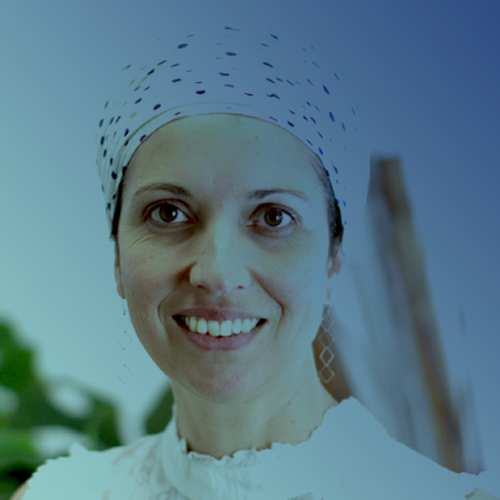
Siri Bhagvati (Billie Atherstone) is a Kundalini Yoga Therapist (C-IAYT), Somatic Therapist, and Professional KRI Teacher Trainer with over 20 years’ experience in health sciences and yoga. A long-standing faculty member with the Guru Ram Das Center for Medicine & Humanology, she teaches in the accredited Professional Kundalini Yoga Therapy Training and contributes to Trauma-Responsive programs for teachers in active war zones.
In her clinical work, Siri Bhagvati offers trauma and health recovery programs and one on ones integrating yoga therapy, somatic practices, kinesiology, and bodywork, supporting regulation, resilience, and embodied safety.
She is also an Associate Investigator on a three-year research study funded by the National Health and Medical Research Council (NHMRC) in Australia, examining the impact of Kundalini Yoga Therapy on trauma recovery following adult sexual assault. This collaboration bridges scientific research and yogic therapeutics, contributing to the growing evidence base for yoga in trauma recovery.
Listening to the hidden conversation: the role of interoception in contemplative practices
This breakout session explores interoceptive accuracy—the nervous system’s ability to accurately perceive internal bodily signals—and its emerging relevance in trauma recovery. Research suggests that higher interoceptive accuracy may be associated with reduced PTSD symptoms and improved emotional regulation (1), particularly for survivors of sexual violence. While yoga research has often focused on interoceptive awareness or sensibility, this session highlights why the precision of felt perception matters.
Drawing from Kundalini Yoga as the Yoga of Awareness, this presentation bridges research and practice, emphasising that healing is shaped not only by what we teach, but how we teach. Through attuned pacing, invitational language, and respect for choice, Kundalini Yoga can support participants to rebuild agency, capacity, and a trustworthy felt sense of self. The practices condition the whole system—including the Ten Bodies—to safely meet sensations of effort, emotion, discomfort, and ease, supporting the gradual befriending of the body and restoring self-regulation from the inside out.
(1) Nord C, Garfinkel S. Interoceptive pathways to understand and treat mental health conditions. Trends in Cognitive Sciences. 2022;26(6):499-513.
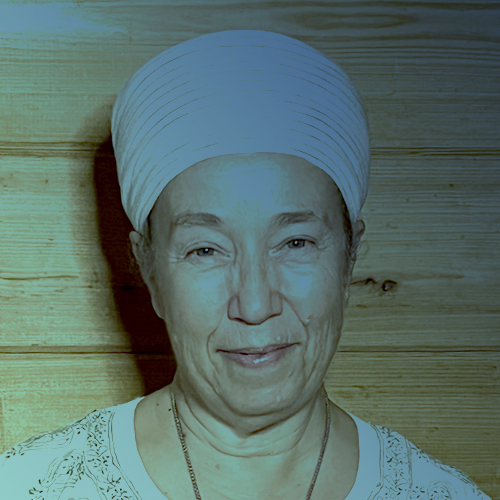
Keval Kaur Khalsa, M.A., RYT-500, is a Kundalini Research Institute Level I Lead Trainer and Mentoring Coach with over 25 years of teaching experience across North and South America and Africa. She has trained Kundalini Yoga teachers throughout the U.S. and in Accra, Ghana, and leads Kundalini Yoga Durham, a donation-based, inclusive community space in North Carolina.
Inspired by Krishna Kaur, Keval Kaur co-founded North Carolina’s Y.O.G.A. for Youth program in 2007, bringing yoga and meditation to young people across four counties. She helped develop the program’s 46-hour online training and serves on its Board of Directors.
A Professor of the Practice Emerita of Dance at Duke University, she taught for 32 years, directed the Dance Program, and co-led research on yoga’s impact on students’ stress and well-being. A devoted mother and grandmother, she is also passionate about social and environmental activism and spending time in nature.
Lecture: Y.O.G.A. for Youth—Empowering the Next Generation
Yoga is becoming recognized as a promising tool for developing social emotional learning, physical fitness and mindfulness in children, and is being implemented both formally and informally in educational settings. Kundalini-based Y.O.G.A. for Youth is one of the longest-running youth yoga programs in the United States and is dedicated to empowering youth and families in underserved communities through the principles and practice of yoga. Prof. Keval Kaur Khalsa has been with the organization for nineteen years and will share an overview of the two ways in which the organization fulfills its mission – teacher trainings and direct programming in educational and community settings. As part of this lecture, Prof. Khalsa will also share a brief overview of two published research studies conducted with adolescents participating in Y.O.G.A. for Youth programming.
Breakout session: Bringing Yoga to Youth in Under-Resourced Communities
In this breakout session, Prof. Khalsa will take a deeper dive into aspects of Y.O.G.A. for Youth’s specialty teacher training with a focus on building relationships with all stakeholders – oneself, students, fellow educators, administrators. The session will then be an open space to share wisdom and experience around delivering yoga programming to youth in educational and community-based settings, conducting research in educational settings, and challenges and opportunities within the yoga in education field.
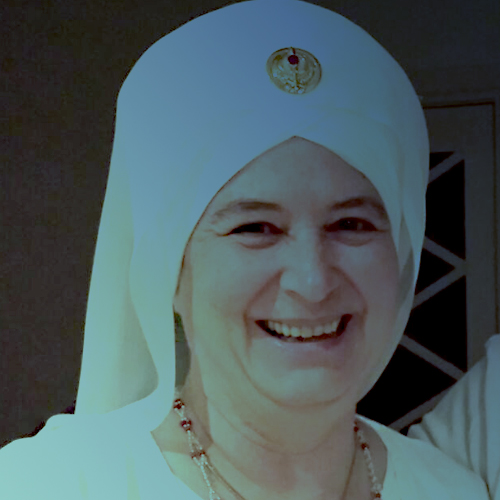
Shanti Shanti Kaur Khalsa, PhD, C-IAYT, aligns the ancient teachings of Kundalini Yoga with modern medicine as Founding Director of the Guru Ram Das Center for Medicine & Humanology. She developed and directs the 800-hour IAYT accredited International Kundalini Yoga Therapy Professional Training. Dr. Khalsa brings Kundalini Yoga Therapy to refugees from conflict areas and trains Kundalini Yoga teachers to bring trauma-responsive practices to civilians and military personnel.
To be confirmed
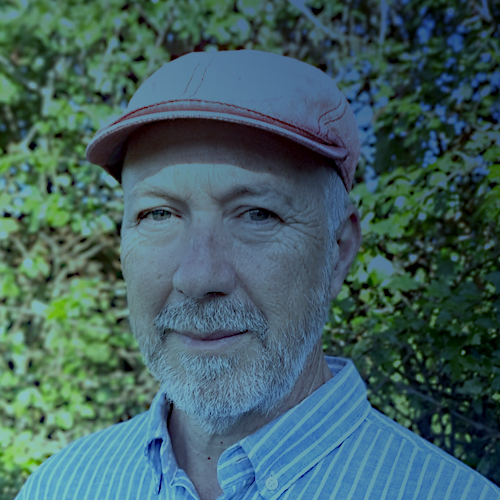
Born in 1966, Daniel Dueñas began his career studying Agricultural Engineering in Córdoba, but a book about Matthieu Ricard—the “happiest man in the world”—sparked a lifelong journey into meditation. In 2009, after moving to Las Palmas de Gran Canaria, he left engineering behind and immersed himself in Zen practice. A vivid dream about colors led him to explore chakras and Kundalini Yoga, eventually shifting from Zen to Kundalini meditation for its transformative power.
In 2012, he began studying psychology and Kundalini Yoga simultaneously, becoming a certified teacher in 2013 and launching his own classes in 2014. Alongside, he trained in Karam Kriya numerology with Shiv Charan and completed his psychology degree in 2017. Combining psychology, meditation, and numerology, he developed an innovative therapeutic approach for depression and anxiety with remarkable results.
In 2020, he moved with his family to Gothenburg, Sweden, where he continues teaching and offering online therapy. Now a published author of Love Is and The Dance of Life and Death, writing has become his true vocation.
Effect of meditation from Kundalini Yoga on self-esteem, emotional self-efficacy and emotions.
The presentation will be an exposition of my research on how performing a Kundalini Yoga meditation improves self-esteem and emotions, as well as a comparison of the effects of two different meditations
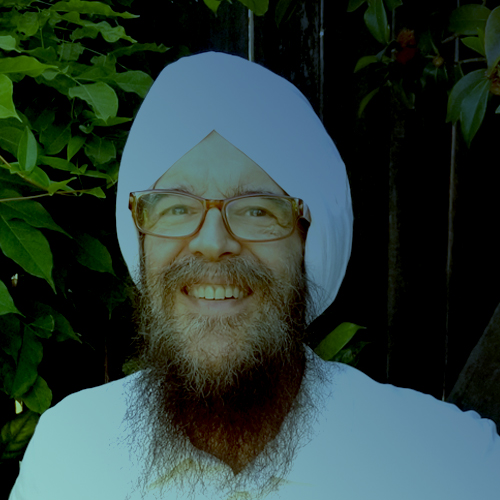
As a teenager, Alan Weiss met Yogi Bhajan and became a Kundalini Yoga teacher. After completing medical school, he pursued a career in surgery, medical education, and medical governance. He enjoys sharing what he has learned about yoga and medicine.
Kundalini Yoga and Subtle Energy: Anatomy and Mechanisms
This will be a 15 minute review from classical yoga literature regarding prana chakras nadis koshas etc., including any relationships claimed between neuroanatomical structures in the body and the subtle energy mechanisms and Anatomy especially as it relates to Kundalini Yoga as taught by Yogi Bhajan, followed by 45 minute open-ended discussion among us all.
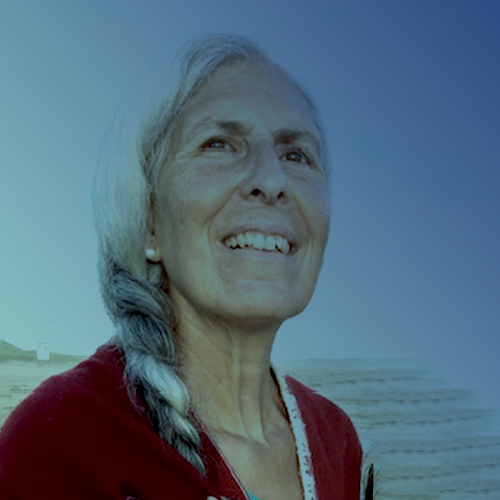
Gurujagat Kaur Ronen is a Level One Lead Trainer and a specialist in Conscious Maternity & Yoga Doula Training. Born in 1954, she has devoted her life to supporting women through every stage of motherhood. Her journey began in 1975 in Amsterdam, where she spent 11 years in Europe’s only Kundalini Yoga Ashram, immersing herself in yoga, meditation, women’s health, and Seva. Long before the word “doula” became known, she was already accompanying mothers with deep listening, nurturing care, and the teachings of pregnancy and postnatal yoga.
A mother of four and grandmother of eight, her personal experience of Ayurvedic massage, nourishing food, and ritual support after childbirth profoundly shaped her understanding of maternal well-being. This led her to found the Yoga Doula School in 2007, co-found the International Postnatal Support Network in 2012, and the Mothering the Mother Collective in 2021.
Now based in France, she continues to train compassionate companions and share her work internationally, honoring women’s innate strength to give birth and nurture life with consciousness and love.
Yoga Doula – Conscious Care for the Journey into Motherhood
This session explores how prenatal Kundalini Yoga and applied Ayurvedic principles can transform the experience of pregnancy, birth, and the postnatal period. Rooted in conscious embodiment and traditional wisdom, the Yoga Doula approach supports women in aligning body, mind, and spirit—cultivating vitality, emotional balance, and deep connection during one of life’s most powerful transitions. When a mother is cared for in this way, her well-being radiates outward—nurturing her partner, her children, and ultimately contributing to the healing and evolution of humanity itself.
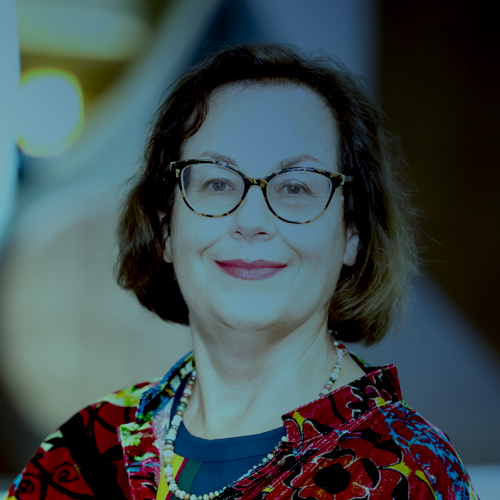
Helen Lavretsky, MD, MS is a Professor In-Residence in the Department of Psychiatry at UCLA and a geriatric integrative psychiatrist with the federally funded research program in integrative mental health using mind-body therapies. She is a recipient of many prestigious research awards. Her current research studies include investigations of novel therapeutic options for caregiver stress, mood, and cognitive disorders in older adults, and Long-COVID. She is the Director of Research for the UCLA Integrative Medicine Collaborative and the Integrative Psychiatry program. She is an immediate past-President of the American Association for Geriatric Psychiatry.
Mind-body Therapies for Resilience and Brain Health in Aging
The lecture will cover a review of the evidence of the clinical effects of yoga and mind-body therapies, including Soul-listening techniques on psychological resilience and brain health in aging adults with chronic stress and cognitive decline. The session will review signs and symptoms and management principles of spiritual emergencies.
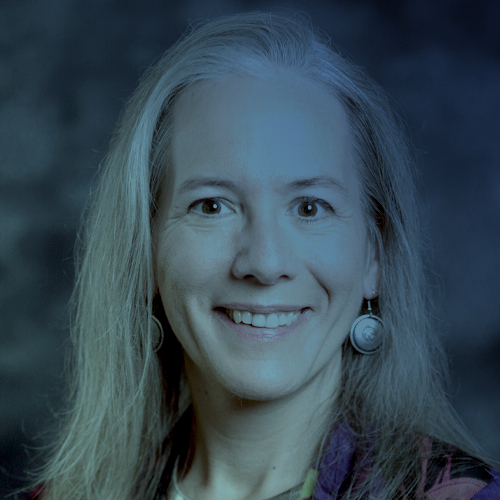
Julie K. Staples, Ph.D. (Guru Parkash Kaur) is the Research Director at The Center for Mind-Body Medicine, an Adjunct Assistant Professor at Georgetown University, and a faculty member of the International Kundalini Yoga Therapy Professional Training program. She has conducted research in mind-body medicine for traumatized populations for almost 30 years. Her self-help book Reclaiming Life after Trauma teaches Kundalini Yoga and cognitive behavioral therapy tools to heal trauma symptoms. She is also the author of the yoga chapter in the medical school textbook Fundamentals of Complementary and Alternative Medicine.
The Interface between Yoga Research and Teaching Kundalini Yoga Therapeutically
This session will demonstrate how yoga protocols are presented in research papers and will present the Kundalini yoga protocol from a published study on posttraumatic stress disorder. We will discuss the skills and approach needed to apply yoga research protocols to the therapeutic teaching of Kundalini Yoga.
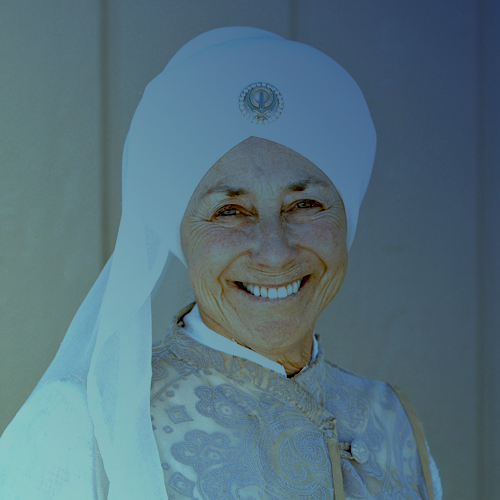
Mukta Kaur Khalsa, Ph.D., Director of SuperHealth® established in 1973, is a Nationally Certified and Licensed Professional Mental Health, Drug and Addictions Counselor. She is the Chief Presidential Authority as an NGO in consultative status with the Economic and Social Council of the United Nations. Mukta conducts worldwide trainings on SuperHealth technology for healthcare professionals and yoga teachers. Her publications include a research article in the Journal of Ethnicity and Substance Abuse, her books, “Meditations for Addictive Behavior,” “Healing Addictive Behavior,” “Curb the Urge,” “Parenting with Confidence,” and the SuperHealth manuals.
Teens & Screen Behavior Workshop:
Did you know teens spend an average of 8 hours a day on screens, outside of schoolwork? This can lead to unhealthy, compulsive behavior of seeking constant validation and stimulation, which triggers dopamine release in the brain. This heavy usage is linked to rising rates of anxiety, depression, and chronic sleep deprivation, leaving many young people feeling disconnected from the world around them.
As a parent, teacher, coach, or guide, you have the power to make a difference.
In this workshop, we’ll explore practical strategies to help teens and families develop healthier tech habits. Together, we’ll spark meaningful conversations and take steps toward creating a balanced, connected, and fulfilling life in the digital age.
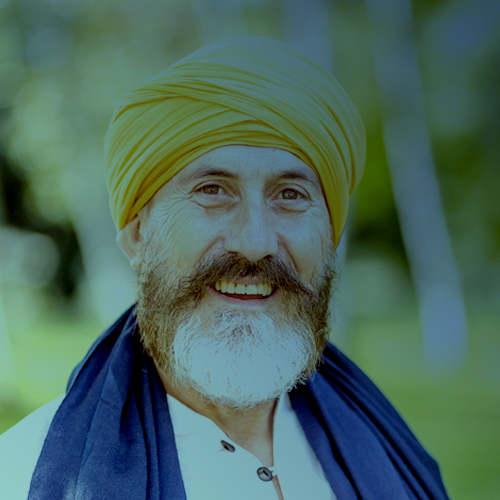
Raghurai Singh has been a resident in London since 1984. He has been teaching Kundalini Yoga since 1999. He is currently a Level One Lead Trainer in Spain and Italy and completed Level Two and Level Three. Author and designer of the Silver Age: Chair Yoga program for 55+ people and those with mobility problems based on Yogi Bhajan’s kriyas. He taught chair yoga at a local hospital and in day centers for 15 years. He has a bachelor’s degree in European Politics & Economics and a master’s degree in Psychodynamic Psychotherapy from the University of London. He works privately and for two London NGOs as a clinical supervisor of psychotherapy. He speaks fluent Spanish and English and conversational French.
Kundalini Chair Yoga for the Silver Age.
The Silver Age program was largely inspired by Yogi Bhajan’s teachings. It is an enjoyable form of yoga that can be adapted fairly easily to the chair without changing the energetic benefits and standards of the kriyas. In my 20+ years of experience teaching multiethnic seniors in hospitals and care home settings in London. The aim is to support older adults to become more mobile and flexible and connect to their own mortality. Gradually they become more in charge of improving their own health and vitality. Some people also become more in tune with their own spirituality by practicing meditation, which in turn helps them create a better mental balance.
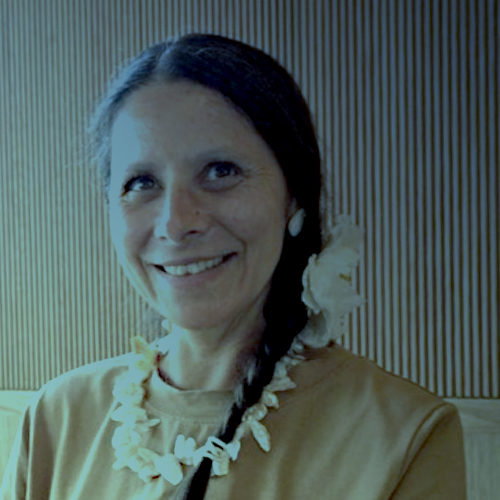
Sónia Isabel Remondes Costa, PhD, is an Assistant Professor in the Department of Education and Psychology at the University of Trás-os-Montes and Alto Douro, Portugal. She holds a Bachelor’s in Clinical and Counseling Psychology from Lusófona University, a Diploma of Advanced Studies and a Doctorate in Clinical and Health Psychology from the University of Salamanca, and a postgraduate degree in Clinical and Experimental Hypnosis from the University of Lisbon.
Since 2003, she has taught in undergraduate and graduate psychology programs, covering clinical intervention, health education, group dynamics, oncological psychology, and professional practice. She has also worked in primary health care and at the Portuguese League Against Cancer, bridging academic and clinical practice.
Her research focuses on mind-body therapies (hypnosis, relaxation, yoga, meditation), health promotion, spirituality, grief, and palliative care, particularly through psychoexistential approaches such as Meaning of Life Therapy. She is a member of the Portuguese Psychologists Association and has supervised internships since 2012.
“Effects of an online Kundalini Yoga program on the mental health of university students: a randomized study” (Sónia Remondes-Costa and Ana Torres)
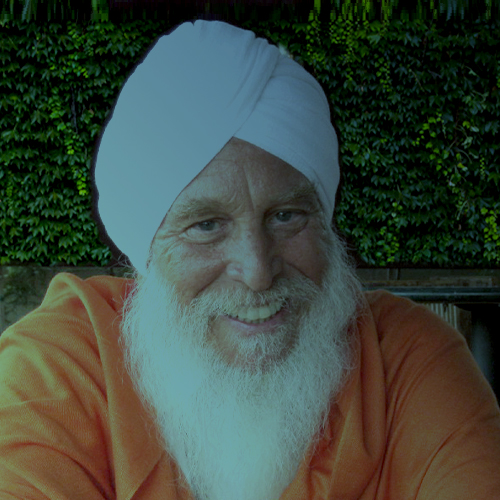
Dr. Dharma is the father of the lifestyle medical approach to Brain Longevity® that now spans the globe. Leading-edge research spearheaded by Dr. Dharma has resulted in over 60 scientific papers and advances. His leading-edge research on Kirtan Kriya is world famous. His current discoveries highlight how air pollution and other aspects of climate stress may lead to Alzheimer’s and other life-threatening diseases and, most importantly, how you can prevent it before it’s too late.
How KY / Kirtan Kriya Can Save Your Life from the Ravages of Air Pollution and Climate Stress
In early 2025, Dr. Dharma discovered new research that revealed that air pollution and climate stress can lead to Alzheimer’s disease and other serious medical illnesses. In this presentation, he will share this latest groundbreaking work and how Kundalini Yoga and Kirtan Kriya have a powerful effect to prevent the tragedy of a shortened lifespan caused by these issues. Beyond saving ourselves, we can also help save the planet. We don’t have much time to lose.
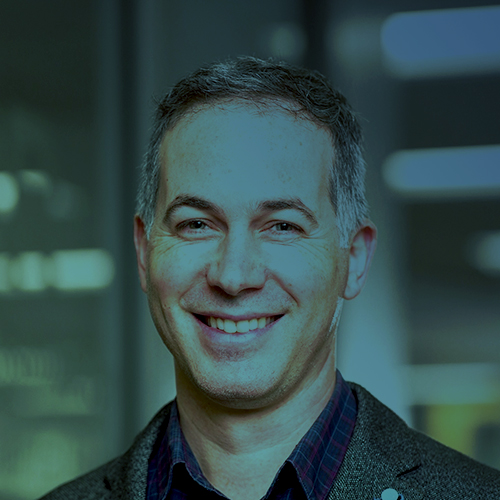
Sahib Khalsa, MD, PhD, is a psychiatrist-neuroscientist whose work explores interoception—the sensing of the body from within—and how contemplative practices can transform gut, heart, and emotional health. He leads clinical and translational research at UCLA’s Semel Institute, integrating brain imaging, EEG, and non-invasive technologies to map mind–body communication. Within contemplative science, he has studied meditation and floatation-based practices. As a founding board member of the International Society Contemplative Research, he has organized interdisciplinary retreats, and hosted dialogues linking neuroscience with yoga, mindfulness, and resilience training. His clinical mission is to develop non-pharmacological therapies that deepen inner awareness and improve the suffering caused by anxiety, mood, eating, and substance use disorders.
Listening to the hidden conversation: the role of interoception in contemplative practices
This breakout session explores interoceptive accuracy—the nervous system’s ability to accurately perceive internal bodily signals—and its emerging relevance in trauma recovery. Research suggests that higher interoceptive accuracy may be associated with reduced PTSD symptoms and improved emotional regulation (1), particularly for survivors of sexual violence. While yoga research has often focused on interoceptive awareness or sensibility, this session highlights why the precision of felt perception matters.
Drawing from Kundalini Yoga as the Yoga of Awareness, this presentation bridges research and practice, emphasising that healing is shaped not only by what we teach, but how we teach. Through attuned pacing, invitational language, and respect for choice, Kundalini Yoga can support participants to rebuild agency, capacity, and a trustworthy felt sense of self. The practices condition the whole system—including the Ten Bodies—to safely meet sensations of effort, emotion, discomfort, and ease, supporting the gradual befriending of the body and restoring self-regulation from the inside out.
(1) Nord C, Garfinkel S. Interoceptive pathways to understand and treat mental health conditions. Trends in Cognitive Sciences. 2022;26(6):499-513.
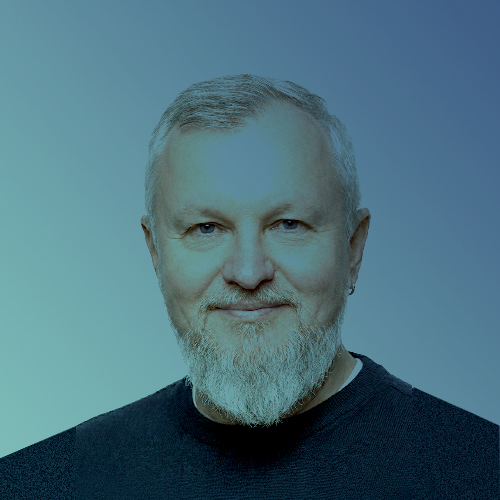
Doctor of Juridical Sciences, Ph.D. Co-Chair of the Supervisory Board, Ukrainian Kundalini Yoga Teachers Association Certified Kundalini Yoga Teacher. Official Representative of Guru Ram Das Center for Medicine & Humanology in Ukraine.
Vitalii Butuzov (Raj Navjot Singh) is a certified Kundalini Yoga teacher and a researcher with a doctoral background in law, actively working at the intersection of yogic therapy, rehabilitation, and applied health recovery practices.
Since 2023, he has been conducting yogic therapy programs in hospitals, rehabilitation centers, and specialized institutions, working with active military personnel, veterans, their family members, and women affected by violence. His professional practice includes the application of structured yogic recovery protocols for acute stress reactions, complex trauma, traumatic brain injury, and blast-related concussion, including group-based interventions of up to 30 participants.
His work focuses on the integration of Kundalini Yoga methods into trauma-informed rehabilitation frameworks, emphasizing safety, adaptability, and practical applicability in post-crisis and post-injury contexts.
Yogic Therapy in the Restoration of Psychophysical Health of Military Personnel
This presentation explores the application of Kundalini Yoga–based yogic therapy in the rehabilitation of military personnel affected by combat-related stress and trauma. Drawing on interdisciplinary collaboration and empirical data from group-based interventions, the talk highlights practical protocols integrating breathwork, kriya, and meditation to support nervous system regulation, stress reduction, sleep improvement, and trauma-informed recovery in clinical and rehabilitation settings.
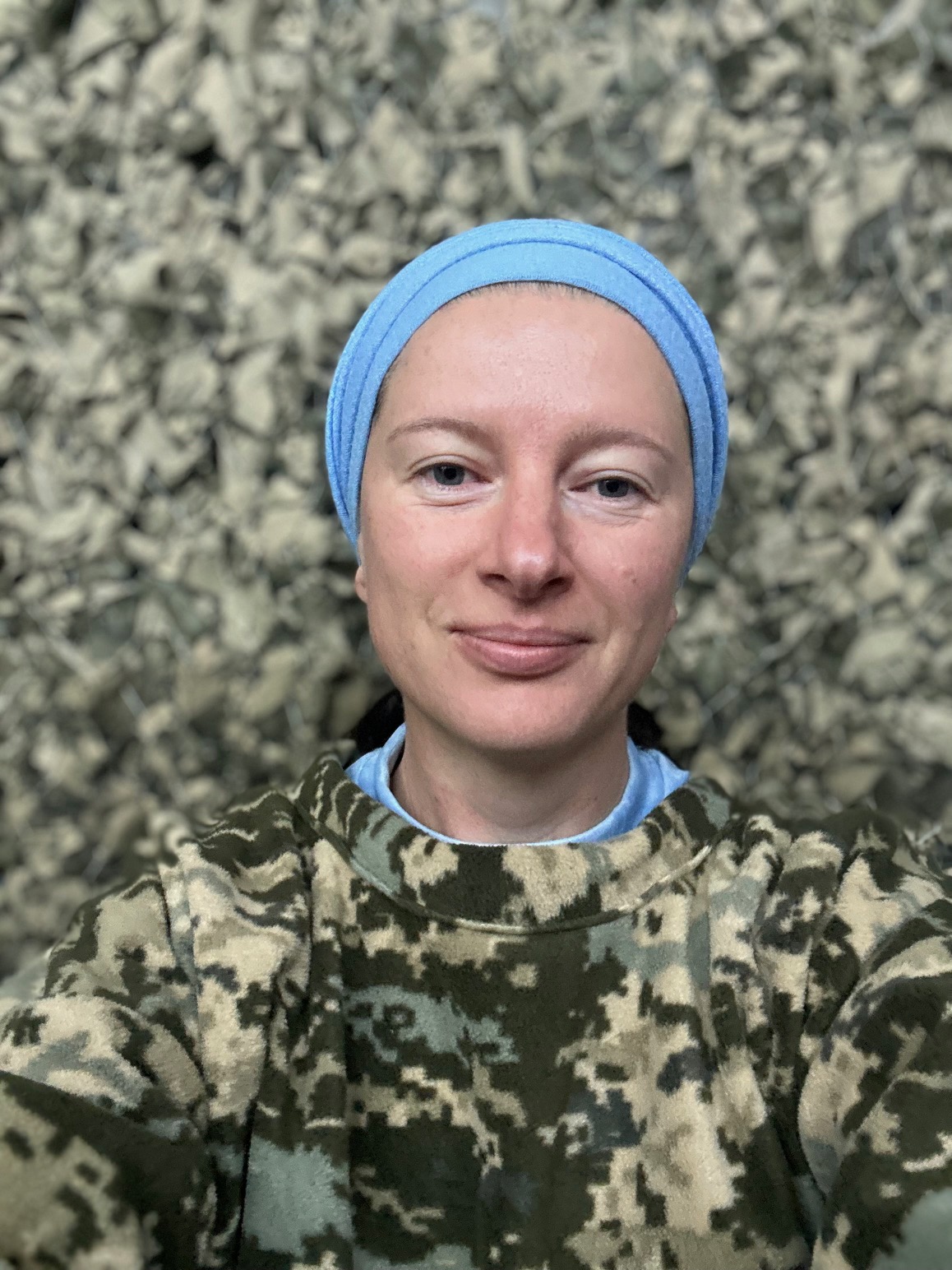
Jagtaran Kaur (Stoyanova Olesya) lives in Ukraine. She is the organizer of the volunteer project Military Yoga-Therapy, which works in 5 rehabilitation centers in Kyiv, 2 rehabilitation centers in Vinnytsia, and many hubs for military personnel and military family members. Jagtaran Kaur is also the organizer of educational projects in Ukraine: Kundalini Yoga Academy, Acupuncture Academy, Sat Nam Rasayan Healing School and Kundalini Yoga-Therapy. She is the wife of a military man.
Kundalini Yoga in wartime.
The session will explore how effective Kundalini Yoga is for the recovery of soldiers after combat injuries, PTSD, and amputations. It will also present How the work in rehabilitation centers was structured and what the challenges were faced during the project’s deployment during the 4 years of full-scale war in Ukraine.